
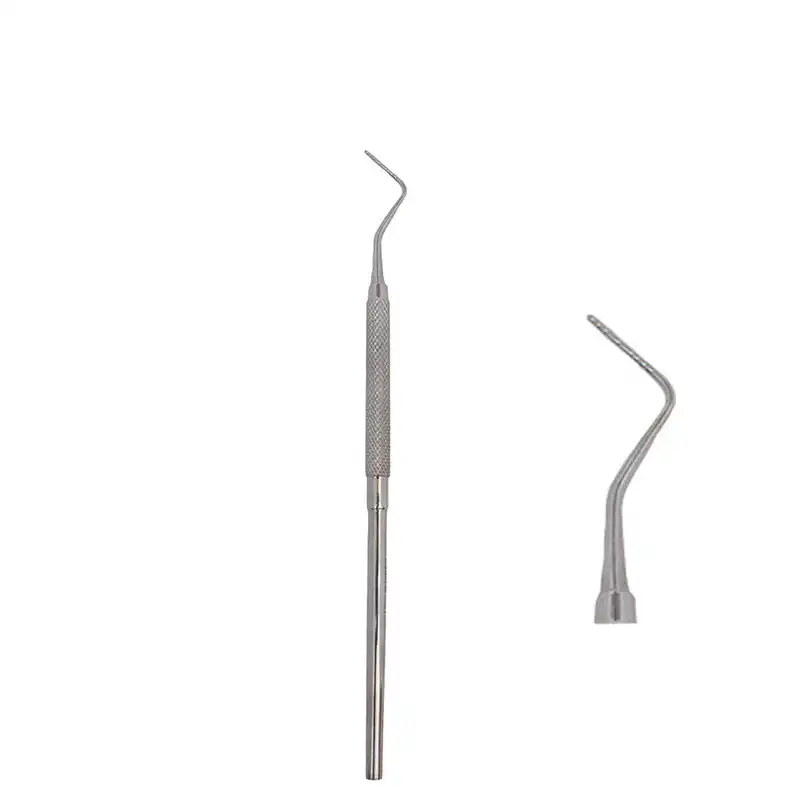
 Click to zoom
BADER
SKU
17/4006-2
Periodontal Probe Williams Bader
£9.99
£8.32excl. VAT
Delivery3–5 days
Order before18:00:00
Returns14 days
Key specifications
brand_bader
BADER
sterilizable
Autoclavable
active-tip
graduated with selected markings in millimeters: 1, 2, 3, 5, 7, 8, 9 and 10 mm
length
15
Add to cart
Williams Bader Probe
The Williams probe is a periodontal measuring instrument widely used in dentistry to evaluate the depth of gingival sulci or periodontal pockets. It is a fundamental tool in periodontics, recognized for its specific design with selected millimeter markings, which facilitates the identification of measurements necessary for an accurate periodontal diagnosis and treatment.
Recommended use:
- Measurement of periodontal pockets: Determines the depth of the gingival sulcus or periodontal pockets, helping to classify the severity of periodontal diseases.
- Evaluation of gingival recession: Measures gum loss and its relative position with respect to the cemento-enamel junction.
- Detection of gingival inflammation: Identifies signs of inflammation by evaluating bleeding on probing of the gingival sulcus.
- Monitoring of periodontal treatment: Allows verification of pocket reduction and tissue recovery after periodontal therapies.
- Detection of subgingival calculus: Locates irregularities or calculus deposits below the gingival line.
Characteristics:
- Active tip graduated with selected markings in millimeters: 1, 2, 3, 5, 7, 8, 9 and 10 mm.
- It does not include the 4 mm mark, which makes its pattern unique and recognizable.
- Material: stainless steel.
- Autoclavable.
- Length: 15cm.
| brand_bader | BADER |
| sterilizable | Autoclavable |
| active-tip | graduated with selected markings in millimeters: 1, 2, 3, 5, 7, 8, 9 and 10 mm |
| length | 15 |
| material | Stainless steel |
No reviews yet.
Related products
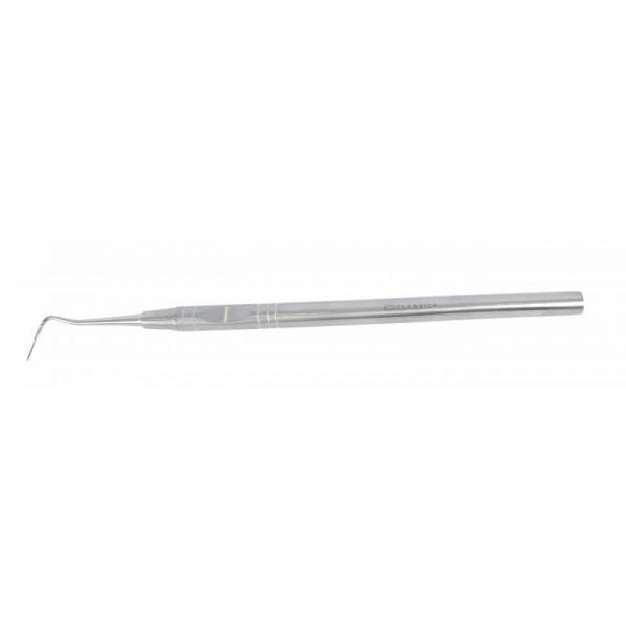
C-EXP-9 – Exploration platformsExplorers & probes
1.99£1.66£excl. VAT1.66£1.99£incl. VAT
Perio Probe PA-ONExplorers & probes
4609.99£3841.66£excl. VAT3841.66£4609.99£incl. VAT
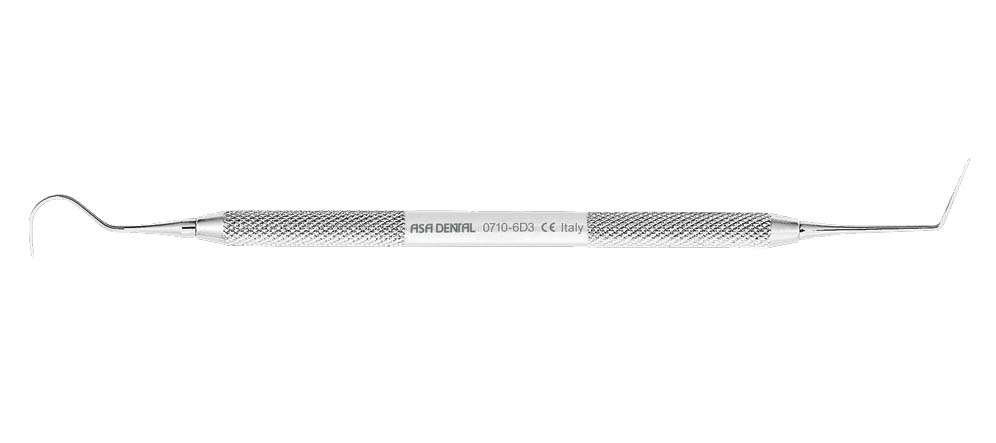
Double probe No. 6D3 (0710-6D3)Explorers & probes
6.99£5.83£excl. VAT5.83£6.99£incl. VAT

ASADENTALExplorer probe No. 8Explorers & probes
3.99£3.33£excl. VAT3.33£3.99£incl. VAT

ASADENTALExplorer probe No. 23 (0700-23)Explorers & probes
3.99£3.33£excl. VAT3.33£3.99£incl. VAT
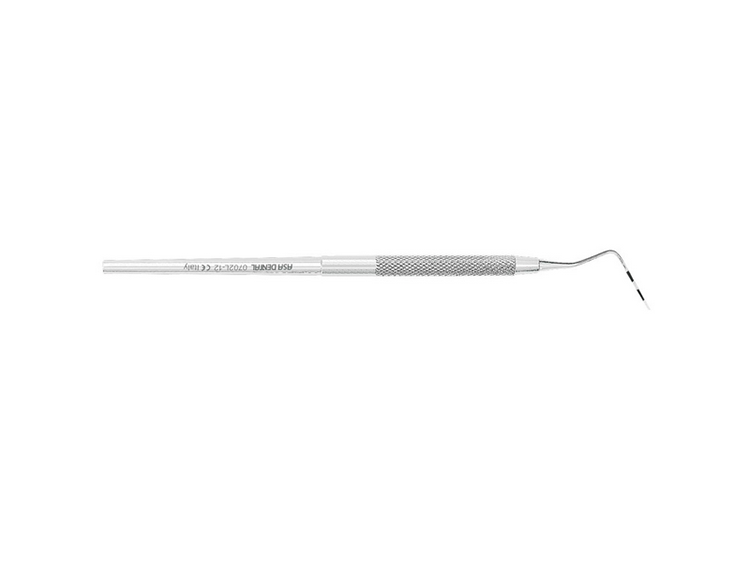
ASADENTALCalibrated periodontal probe CP12 (0702L-12)Explorers & probes
9.99£8.32£excl. VAT8.32£9.99£incl. VAT

ASADENTALExplorer probe No. 9 (0700-9)Explorers & probes
3.99£3.33£excl. VAT3.33£3.99£incl. VAT
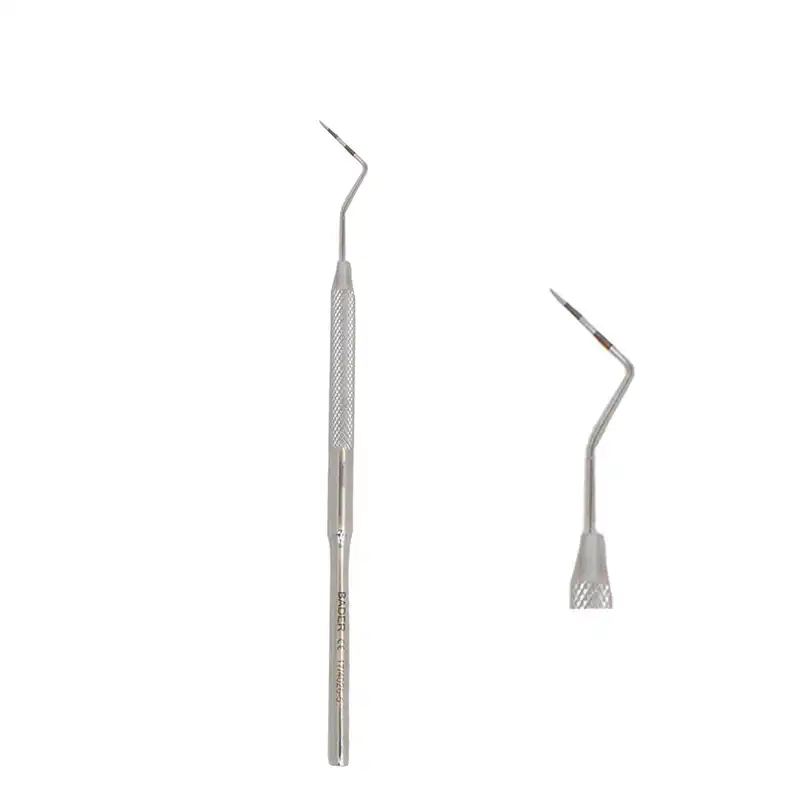
BADERPeriodontal Probe CP 12 BaderExplorers & probes
6.99£5.83£excl. VAT5.83£6.99£incl. VAT